waydroid logo

A container-based approach to boot a full Android system on regular GNU/Linux systems running Wayland based desktop environments.

shape shape
Features

Main Features of Waydroid

Waydroid uses Linux namespaces (user, pid, uts, net, mount, ipc) to run a full Android system in a container and provide Android applications on any GNU/Linux-based platform (arm, arm64, x86, x86_64). The Android system inside the container has direct access to needed hardware through LXC and the binder interface.

Free and Open-Source

The Project is completely free and open-source, currently our repo is hosted on Github.

Full app integration

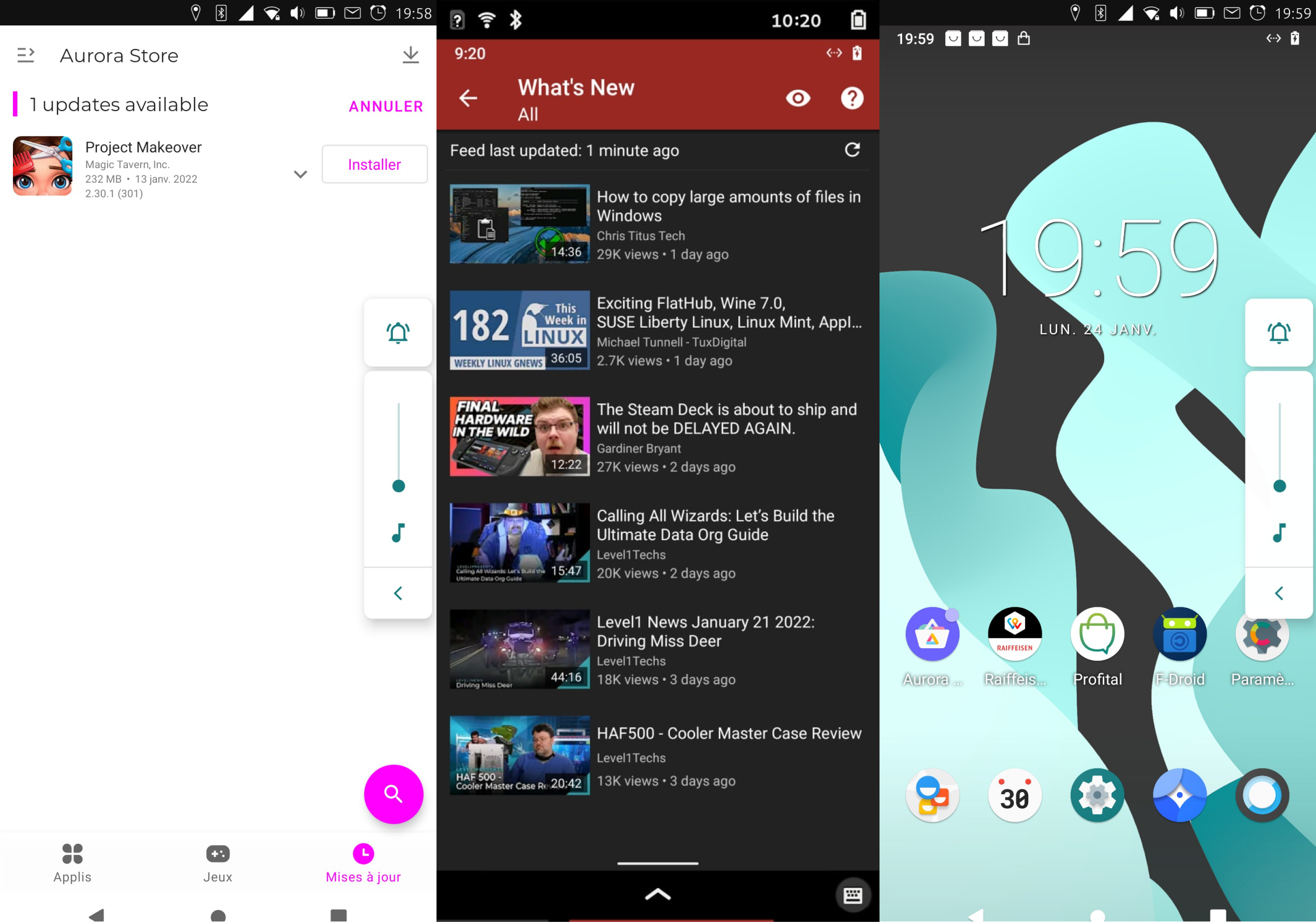
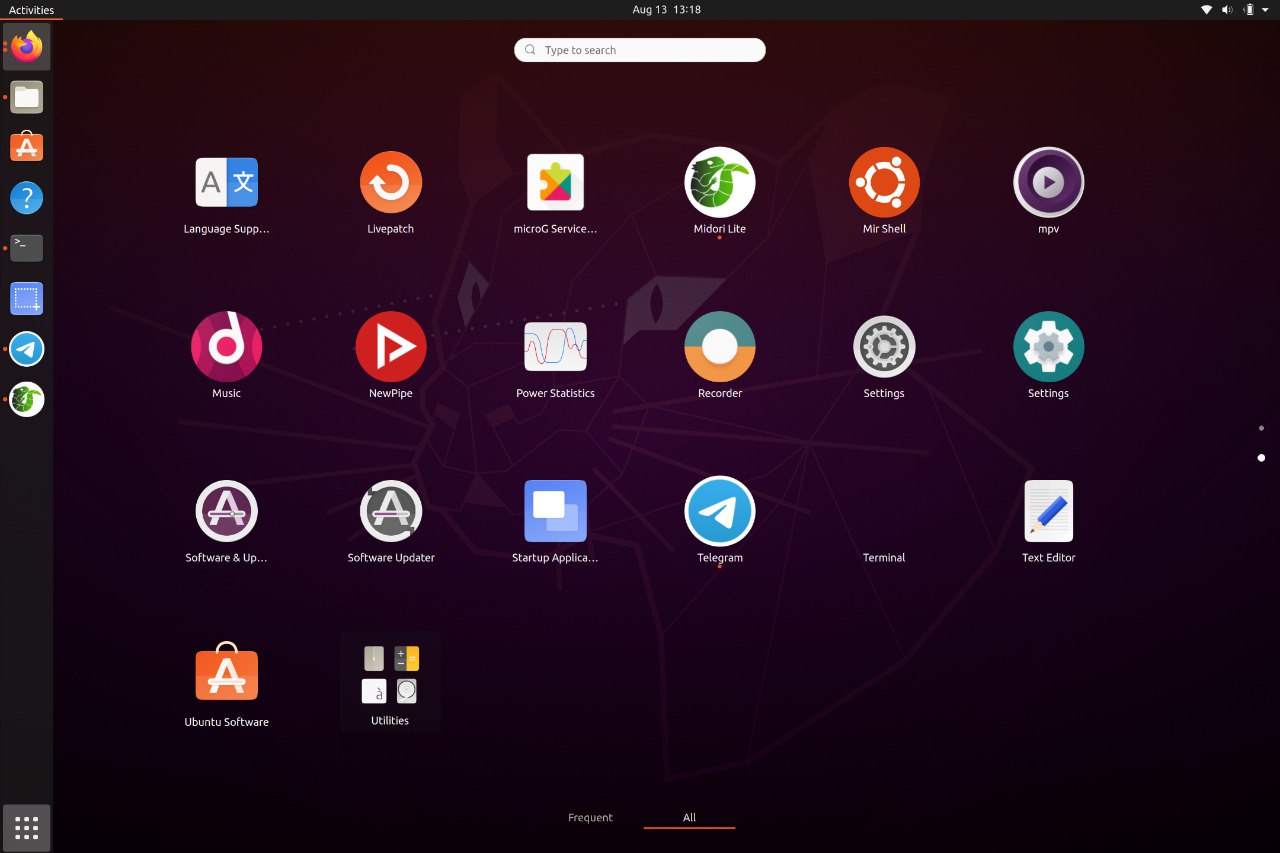
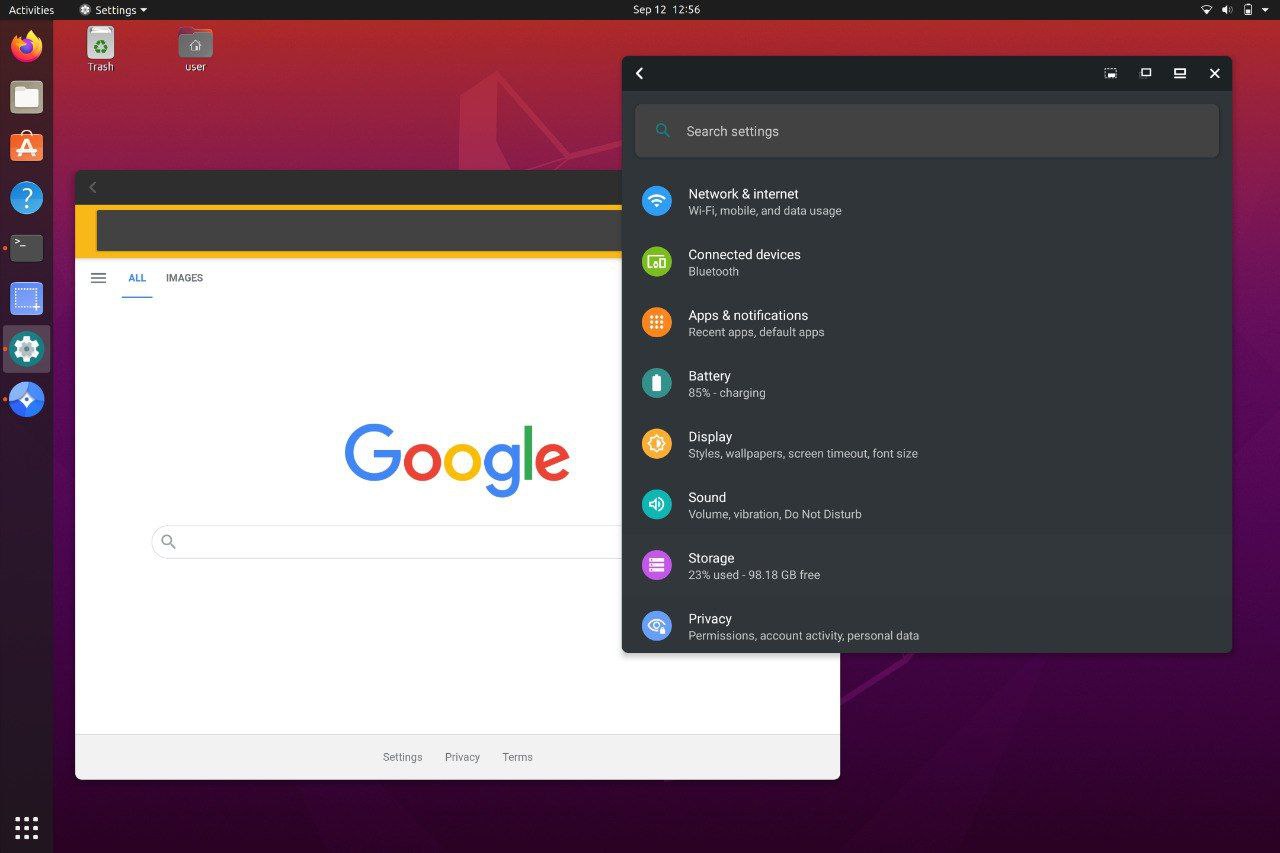
Waydroid integrated with Linux adding the Android apps to your linux applications folder.

Multi-window mode

Waydroid expands on Android freeform window definition, adding a number of features.

Full UI Mode

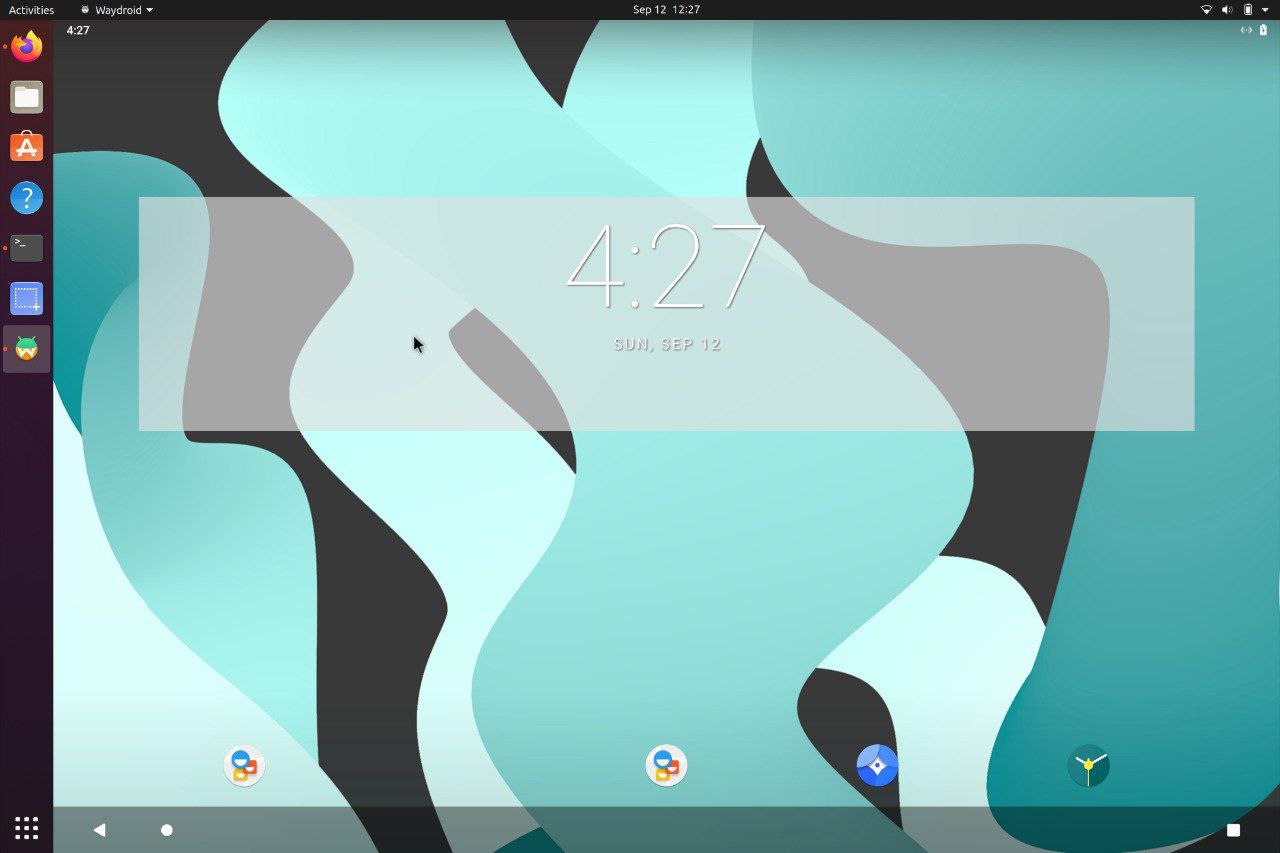
For gaming and full screen entertainment, Waydroid can also be run to show the full Android UI.

Near native performance

Get the best performance possible using wayland and AOSP mesa, taking things to the next level

Active community

Find out what all the buzz is about and explore all the possibilities Waydroid could bring

About Us

Get your favourite Android Apps on Linux.

Waydroid brings all the apps you love, right to your desktop, working side by side your Linux applications.
The Android inside the container has direct access to needed hardwares.
The Android runtime environment ships with a minimal customized Android system image based on LineageOS. The used image is currently based on Android 13

Install Instructions
about-image
Docs

Our Documentation

Our documentation site can be found at docs.waydro.id

Bugs & Reports

Bug Reports can be filed on our repo Github Repo

Project Development

Our development repositories are hosted on Github

How to Install ?

Please refer to our installation docs for complete installation guide.

Manual Image Download

You can also manually download our images from

sourceforge logo SourceForge
shape
Instructions

Quick install reference

For systemd distributions

Waydroid supports most common architectures (ARM, ARM64, x86 & x86_64 CPUs)

Waydroid uses Android's mesa integration for passthrough, and that enables support to most ARM/ARM64 SOCs on the mobile side, and Intel/AMD GPUs for the PC side. For Nvidia GPUs (except tegra) and VMs, we recommend using software-rendering

Follow the install instructions for your linux distribution. You can find a list in our docs.

After installing you should start the waydroid-container service, if it was not started automatically:

sudo systemctl enable --now waydroid-container

Then launch Waydroid from the applications menu and follow the first-launch wizard.

If prompted, use the following links for System OTA and Vendor OTA:

https://ota.waydro.id/system

https://ota.waydro.id/vendor

For further instructions, please visit the docs site here

Ehi Unlocker Github

The EHI Unlocker tool, available on GitHub, uses a combination of cryptographic techniques and reverse engineering to decrypt EHI files. The project provides a detailed explanation of its methodology and the cryptographic processes involved, ensuring transparency and trust within the community.

In the realm of Android device management, EHI (Encrypted Huawei Interface) files have become a crucial aspect of securing and protecting sensitive data. However, for developers and advanced users, working with EHI files can be a daunting task due to the encryption and proprietary nature of the format. This is where the EHI Unlocker project on GitHub comes into play, providing a beacon of hope for those seeking to unlock, understand, and manipulate EHI files. ehi unlocker github

The EHI Unlocker project on GitHub represents a significant step forward in the quest for open-source and accessible tools to work with EHI files. By providing a comprehensive solution for unlocking, decrypting, and analyzing EHI files, the project empowers developers, researchers, and advanced users to explore the inner workings of Huawei devices and push the boundaries of Android development and security research. The EHI Unlocker tool, available on GitHub, uses

The EHI Unlocker project on GitHub was created to address the need for a reliable and open-source tool to unlock, decrypt, and analyze EHI files. By providing a free and publicly available solution, the EHI Unlocker project aims to empower developers, researchers, and advanced users to work with EHI files without being hindered by the proprietary encryption. However, for developers and advanced users, working with

As the project continues to evolve, it is likely that we will see new features, improvements, and applications emerge. For those interested in exploring the world of EHI files, the EHI Unlocker project on GitHub is an invaluable resource that is definitely worth checking out.

EHI files are a type of encrypted container used by Huawei devices to store sensitive data, such as user credentials, encryption keys, and other critical information. These files are designed to be highly secure, using advanced encryption algorithms to protect their contents from unauthorized access. While EHI files are essential for maintaining the security and integrity of Huawei devices, they can also pose a significant challenge for developers and users who need to access or modify the data within.
Our Team

Meet The Team

Here are the members of our team

team
shape shape
Erfan Abdi
@erfanoabdi
Lead Developer
team
shape shape
Alessandro Astone
@aleasto
Developer
team
shape shape
Jon West
@electrikjesus
Developer
team
shape shape
Radek Błędowski
@RKBDI
Designer